Scathing report against FS mine following Dam disaster released

-Staff Reporter/ 28 Friday Nov 2025
A National Government-led investigation has revealed the damning findings against the Jagersfontein Development Mine in the Trompsburg-based Kopanong Local Municipality in the Free State.
A report which probed the 11 September 2022 disaster, found that long-term structural instability, weak foundation material, and continuous movement along the southern wall of the Jagersfontein Fine Tailings Storage Dam were the main causes of the catastrophic collapse that occurred on horrific day. .
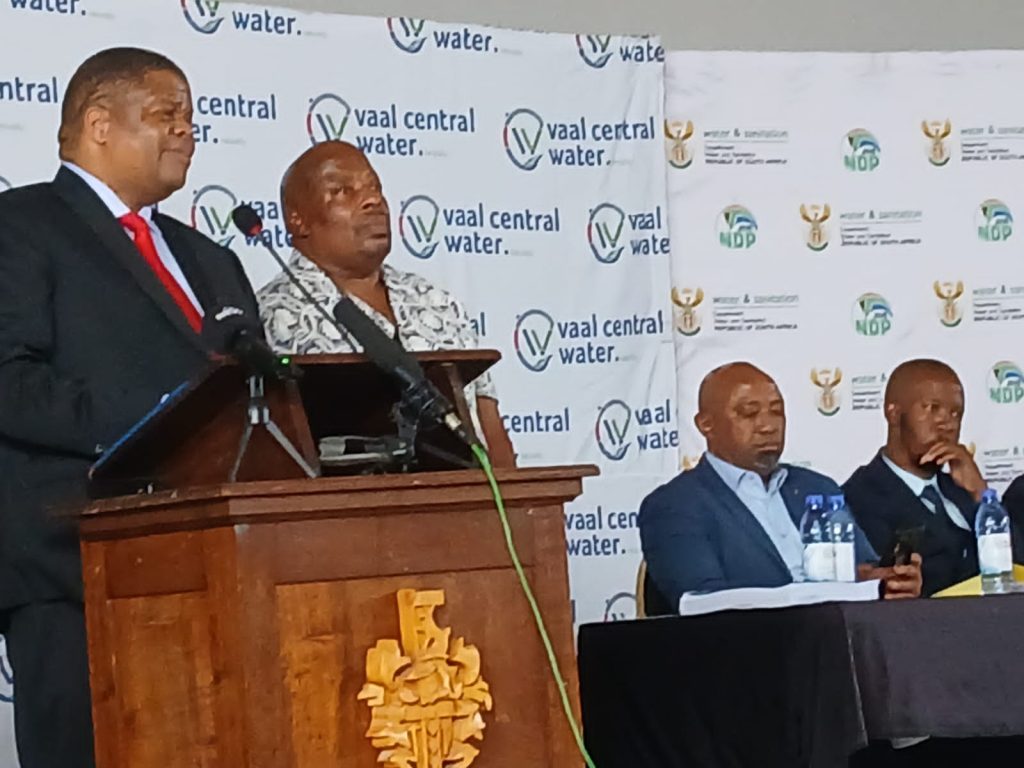
AdvertisementYour business hereAdvertise with News JunctionThe findings were released by the Department of Water and Sanitation, Deputy Minister David Mahlobo on Friday, 28 November 2025 in Jagersfontein.
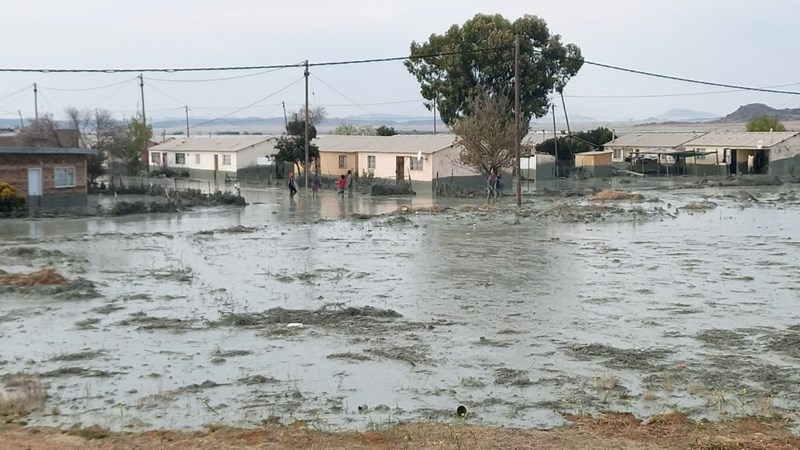
The failure, which took place at around 06:00, led to the uncontrolled release of an estimated 5.1 million cubic metres of tailings slurry and water, devastating parts of the Free State town of Jagersfontein.
According to the report, the dam registered as a Category III facility due to its high safety risk was owned by Jagersfontein Developments (Pty) Ltd, which had been reprocessing legacy De Beers tailings since 2010.
The Department’s Investigation Panel consisted of geotechnical engineers from the Universities of Pretoria and the Witwatersrand.
Early warning signs detected years before failure
Deputy Minister Mahlobo said satellite imagery revealed that signs of instability along the dam’s southern wall were visible as early as February 2019.
The section that eventually collapsed had been constructed on land underlain by old tailings, which the panel found to be weak and unable to provide adequate shear strength.
“These early signs of distress were not addressed adequately, resulting in progressive movement and deformation of the wall over several years,” Mahlobo said.
The investigation found that the slope in the affected area had been built steeper than recommended at about 33 degrees instead of the safer 27 degrees. In addition, upstream raising of the dam was carried out on poorly consolidated tailings, further compromising stability.
Rapid filling of adjacent dam intensified movement
The report noted that instability worsened after a neighbouring storage facility, Dam 10, filled rapidly during the 2018–2019 summer. Continuous southward movement was recorded along the base of the wall from 2019 until the day of the failure.
Deputy Minister Mahlobo said satellite images showed that an access road downstream of the dam wall had shifted by up to 87 metres, evidence of ongoing deformation.
No decant dtructure, poorly drained conditions worsened risks
The dam had no decant facility, which meant water and fine slurry remained in constant contact with the inner slopes of the crest. Upstream construction was therefore carried out on saturated, weak material.
“Undrained conditions developed along critical interfaces between the dam wall and its foundation,” Mahlobo explained. “This significantly reduced the strength needed to keep the structure stable.”
Final collapse began at the crest
According to eyewitness accounts included in the report, the collapse began when part of the crest failed inward. This triggered slumping, overtopping, and the eventual breaching of the entire wall.
Deputy Minister Mahlobo said the Department would use the findings to strengthen dam safety regulations and ensure accountability.
“We cannot allow such a tragedy to occur again. The lessons from Jagersfontein must tighten the country’s approach to monitoring, reporting, and managing high-risk tailings facilities,” he said.
The Department of Water and Sanitation is expected to release further directives and compliance notices following the report’s recommendations.
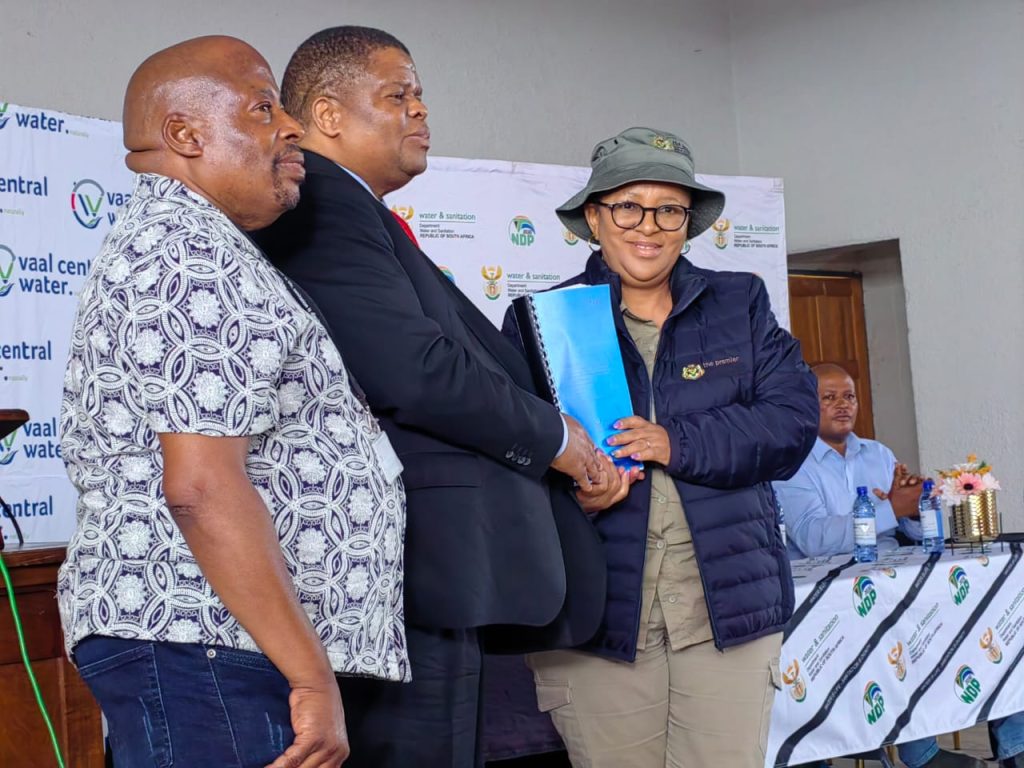
Following the deadly disaster the mine availed R20 million to help and assist affected residents.
The Trompsburg-based Kopanong Local Municipality in the Free State at the time alleged that neglect played a big part in the disaster at Jagersfontein, where a wall of the mine’s tailings dam collapsed.
The municipality’s spokesperson, Solomzi Phama, said without fear of favour, there was negligence which led to the flood disaster which claimed lives and left over 100 people homeless or destitute, and some of the municipal infrastructure completely destroyed.
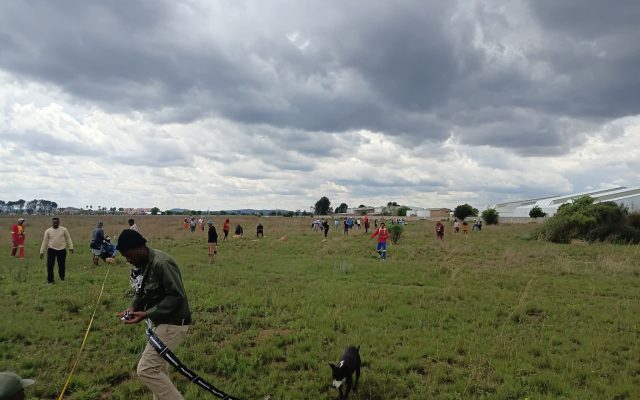
However, todate, Mantele Mokhali, who went missing after she was swept way by the sludge is still missing.Her husband, Paseka Mokhali, has since described disappearance as painful.
News Junction (Gold Standard)